Level 1 Food Safety
Ideal for staff who handle low-risk or pre-packaged food.
- Food delivery drivers
- Warehouse staff
- Front of house staff
- Shop workers selling food
- Kitchen porters
- Care staff serving food
Good food hygiene isn't just best practice — it's a legal requirement. Practical, engaging Food Safety training to help your business meet legal obligations, pass inspections, and ensure staff handle food safely and confidently.
Flexible delivery to suit your business — same recognised qualification, your way.
Delivered at our training centre, online, or at your workplace.
Ideal and cost-effective for teams.
Online theory with trainer-led support and assessment where required.

Practical and workplace-focused — not just theory.
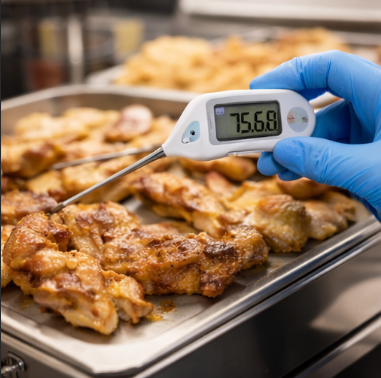
If your staff handle food in any way, they need Food Safety training.
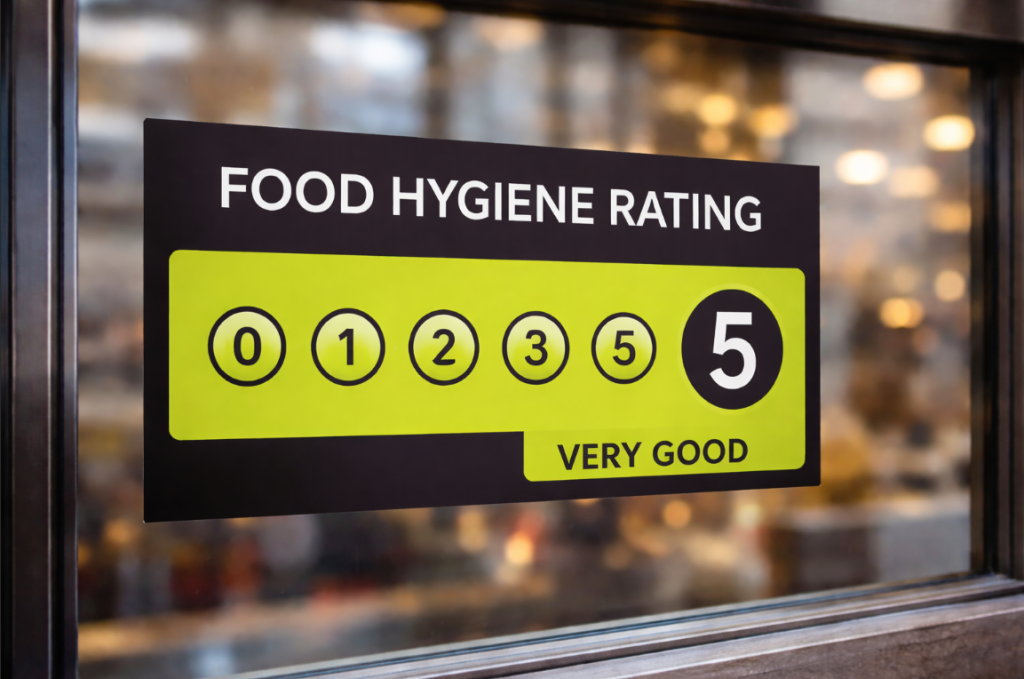
Trained staff are a key part of a strong Food Hygiene Rating from your local authority. We help you build the procedures, knowledge, and documentation inspectors look for.
Everything you need to know about our services.
Yes. We offer courses for individuals, courses for businesses, and group and on-site training.
Yes. We can deliver Food Safety training at your workplace, at our training centre, or at a venue local to your team. On-site training is usually the most cost-effective option for groups.
Yes. Certificates are issued after successful completion of the course.
Typical course durations: Level 1 Food Safety – Half day; Level 2 Food Safety – One day. Blended options may reduce classroom time.
Food Safety certificates are typically valid for 3 years, although it is recommended that staff refresh their training sooner to keep knowledge up to date.
We can usually arrange training within 1–2 weeks, sometimes sooner depending on location and course availability.
Yes. UK law requires that anyone who handles food must receive appropriate food hygiene training for their job role. The level of training depends on the type of work they do and the level of food handling involved.
Yes. Any staff preparing or handling food in a care home must have appropriate Food Safety training, usually Level 2 Food Safety.
Level 1 Food Safety is for staff who handle low-risk or pre-packaged food, such as front of house staff, delivery drivers, or shop workers. Level 2 Food Safety is for staff who prepare, cook, or handle open food, such as chefs, kitchen staff, care home staff, and catering staff. If you are unsure which level you need, The BTR Hub can help you choose the correct course.
Topics include food hygiene law, food poisoning, contamination and cross-contamination, personal hygiene, cleaning and disinfection, temperature control, food storage, cooking and reheating, allergens, and HACCP and food safety systems.
Yes. Having trained staff is a key part of achieving a good Food Hygiene Rating from the local authority, along with correct procedures and documentation.