Awareness (Level 1)
For staff who have general contact with children or vulnerable adults but are not responsible for safeguarding decisions. Covers awareness and recognising concerns.
Practical, engaging Safeguarding training focused on real-life situations. Help your staff recognise signs of abuse, respond correctly to concerns, and meet legal and regulatory responsibilities.
Available as classroom training, blended learning (online theory + classroom), or on-site training for organisations.
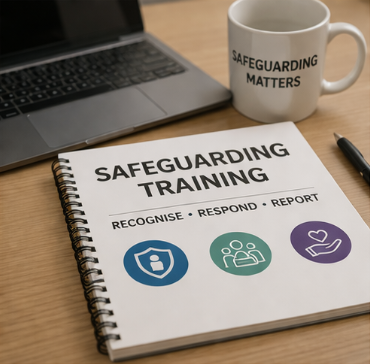
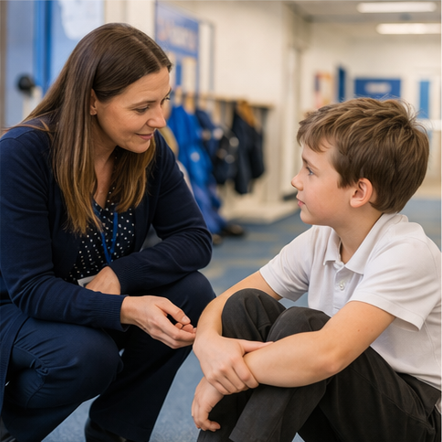
Our courses focus on real-life scenarios and what staff should actually do if they have a concern.

Many organisations are required by CQC, Ofsted, local authorities and safeguarding boards to ensure staff complete safeguarding training at the appropriate level.

Flexible delivery options. On-site is often the most cost-effective option for organisations.
Everything you need to know about our services.
Yes. We offer courses for individuals as well as group and on-site training for organisations.
Yes. We can deliver training at your workplace, at our training centre, for groups and organisations, or as blended learning (online + classroom). On-site training is often the most cost-effective option for organisations.
Yes. Certificates are issued after successful completion of the course.
Safeguarding certificates are usually valid for 1–3 years, depending on the organisation and sector. Many organisations require annual refresher training.
We can usually arrange training within 1–2 weeks, sometimes sooner depending on availability.
Safeguarding training is not a single law in itself, but it is a legal responsibility for organisations that work with children or vulnerable adults. Employers must ensure staff are trained to recognise and report safeguarding concerns. Safeguarding training is often required by organisations such as CQC, Ofsted, local authorities, NHS organisations, and safeguarding boards.
Level 1 is for staff who have general contact with children or vulnerable adults but are not responsible for safeguarding decisions. Level 2 is for staff who work regularly with children or vulnerable adults and may need to report safeguarding concerns. Level 3 is for managers, supervisors, team leaders, and safeguarding leads who are responsible for safeguarding decisions and referrals. If you are unsure which level you need, The BTR Hub can help you choose.
Topics typically include what safeguarding means, types of abuse and neglect, signs and symptoms of abuse, how to respond to a disclosure, reporting procedures, safeguarding law and guidance, duty of care, confidentiality, recording and reporting concerns, and the role of safeguarding leads (Level 3).
Safeguarding training is important for care home staff, healthcare staff, support workers, teachers and school staff, nursery staff, security staff, charity workers, volunteers, and transport staff working with vulnerable people.